admin
admin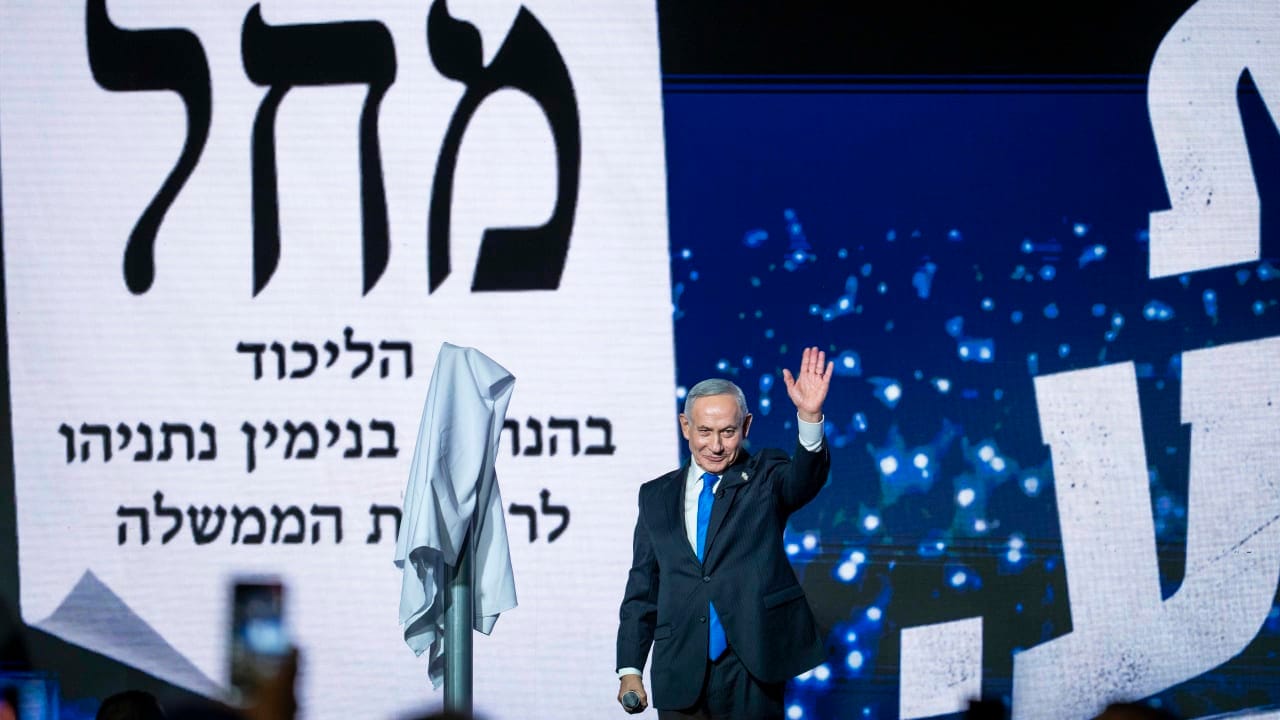
Netanyahu Must Agree to Debate Eisenkot as it’s only way for Voters to Get Answers – Editorial
By JPOST EDITORIAL
Israel needs those answers to understand how its leaders would prevent another catastrophe. Accountability also requires examining the decisions of the military and intelligence establishments.
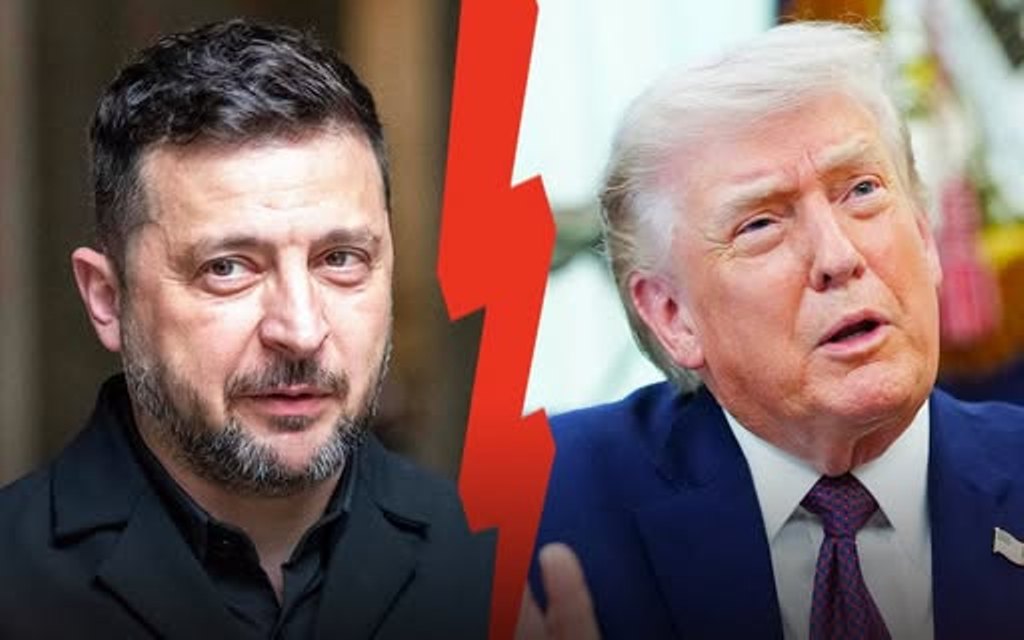
Two weeks before Israel goes to the polls, voters deserve to hear Benjamin Netanyahu and Gadi Eisenkot explain, face-to-face, how they intend to lead the country. Eisenkot has invited the prime minister to a televised debate, offering him the choice of channel and format. Netanyahu should accept.
There is an audience waiting for that discussion, including among Netanyahu’s own supporters. A Kan 11 poll published Sunday found that 54% of respondents supported a debate, including 38% of prospective Likud voters and 80% of prospective voters for Eisenkot’s Yashar party. Before the October 27 election, both men should answer sustained questions about security, military service, the economy, and the coalitions they intend to assemble.
The case for a debate stands regardless of the poll. A prime minister asking for another term should be prepared to defend his record before a challenger. A former IDF chief seeking the premiership should be required to explain how his experience would translate into effective government. Both are asking voters to trust their judgment. That judgment deserves examination while Israelis can still act on what they hear.
October 7 must be central. Netanyahu should explain the policies and assumptions that preceded Hamas’s massacre, the responsibility he accepts, and the changes he has made. Eisenkot should answer for his own tenure as military chief and his subsequent service as an observer in the wartime cabinet. What did each get wrong? Which warnings did each heed or dismiss? What independent inquiry would each support, and would he cooperate fully if its findings implicated his political allies?
How will candidates prevent another October 7 level catastrophe?
Israel needs those answers to understand how its leaders would prevent another catastrophe. Accountability also requires examining the decisions and doctrines of the military and intelligence establishments. A credible investigation must have the authority to follow the evidence wherever it leads.

Gadi Eisenkot, leader of the Yashar party, speaks during an election campaign rally in Haifa, September 23, 2026
The candidates must explain how they would secure the country in the years ahead. How would they prevent Hamas and Hezbollah from rebuilding? What would they do about Iran’s threats? How would they preserve Israel’s freedom to defend itself while managing its essential relationship with the United States? Voters can reasonably expect clear objectives and an explanation of the costs and risks, with operational details protected.
Military service demands similar candor. Each candidate should set out how he would increase enlistment among haredi (ultra-Orthodox) men, which exemptions he would allow, and how the law would be enforced. Recruitment targets, deadlines, and consequences matter. So does the army’s ability to absorb recruits. Reservists and their families need to know when additional manpower would begin easing their burden.
Household finances deserve a place alongside security. The candidates should explain what they would do about housing costs, taxes, and public spending, and how they would pay for their promises. Every spending pledge competes with other needs, including defense and the costs of rebuilding communities damaged by war.
Coalition makeup will determine the answers
Coalition arithmetic will test every answer. Israelis elect the 120-member Knesset, where a coalition with 61 seats commands a majority. Netanyahu and Eisenkot should say whose support they would seek, what concessions they would consider, and which commitments would survive negotiations. Netanyahu must explain what he would promise his partners. Eisenkot must explain how parties united by opposition to Netanyahu could agree on governing.
Broadcasters should offer a date and a workable format now: independent moderators, equal speaking time, firm follow-up questions, and a recording available to everyone. Candidates should receive the topics beforehand and face the questions on the night. Moderators must insist on answers when either man substitutes an attack on his opponent for an explanation of his policy.
Other party leaders also deserve serious scrutiny. A Netanyahu-Eisenkot debate would be a useful starting point, followed by comparable questioning of contenders whose seats could decide the
government.
A television appearance can reveal preparation, composure, and evasiveness. Governing requires much more, and voters will weigh the candidates’ records alongside their performance. A debate would nevertheless establish commitments that journalists and citizens could revisit after the election.
Netanyahu should accept the invitation. Both candidates should give Israelis enough time to examine their answers before voting.
Original Source: https://www.jpost.com/opinion/article-911474